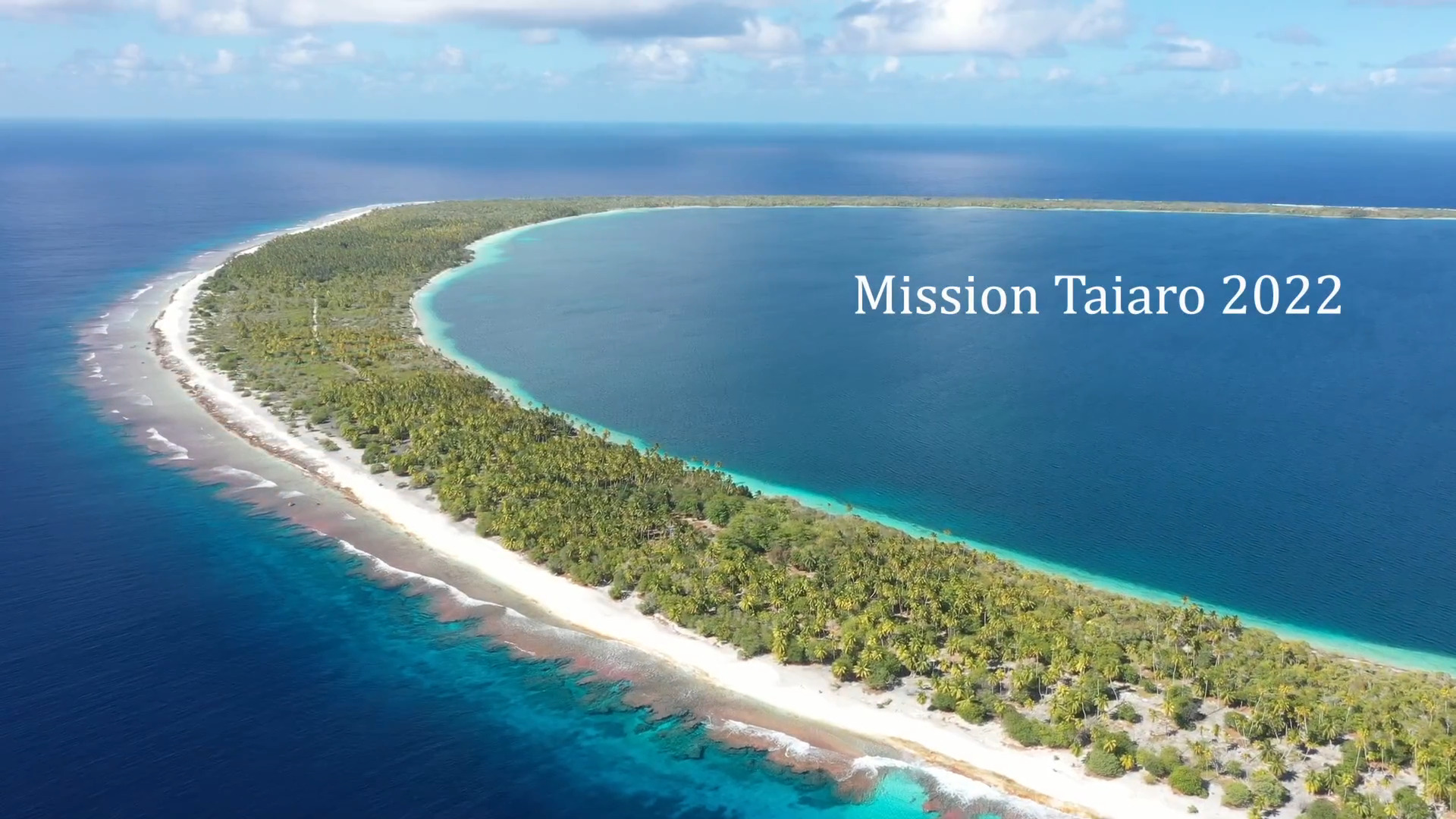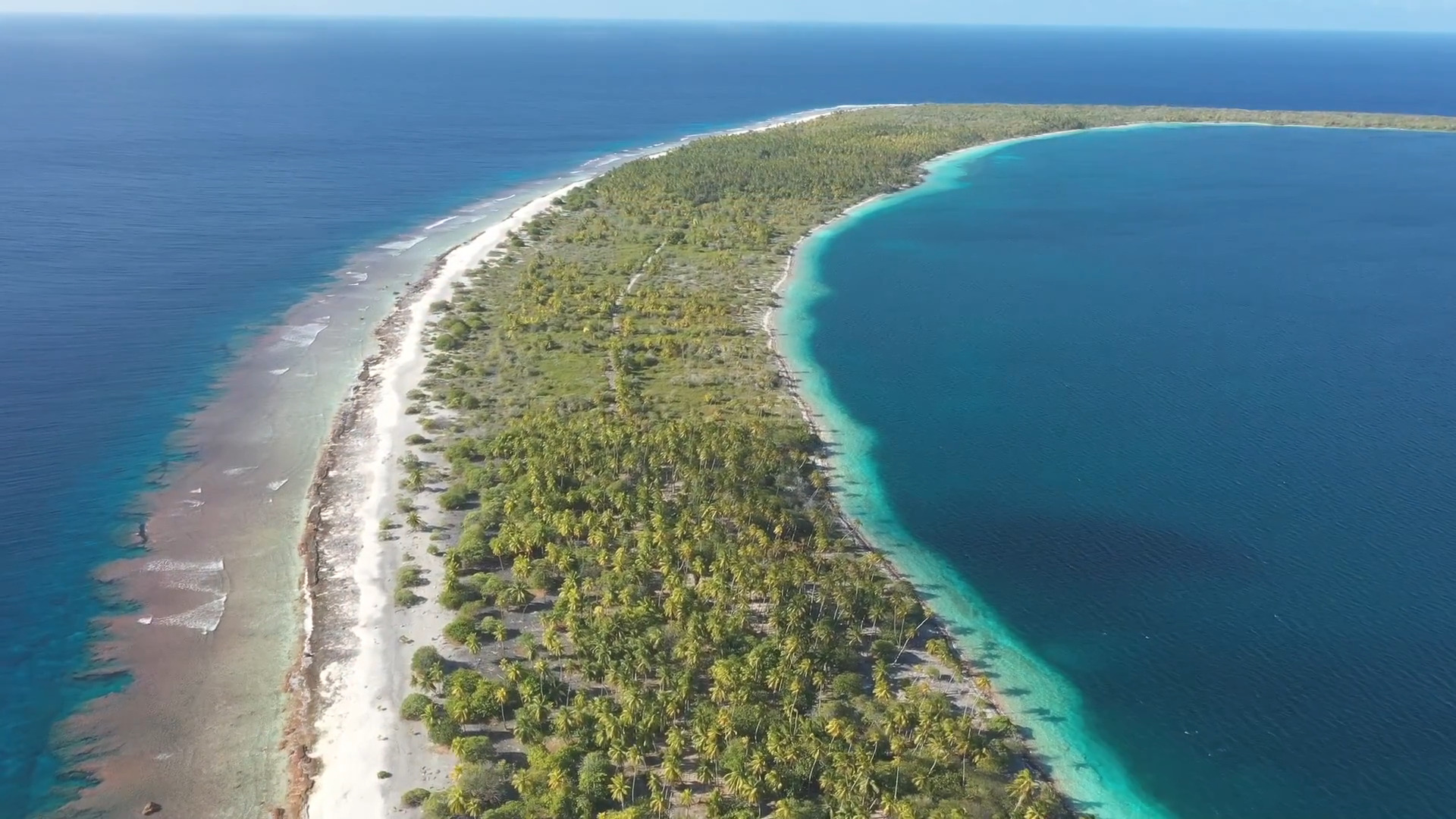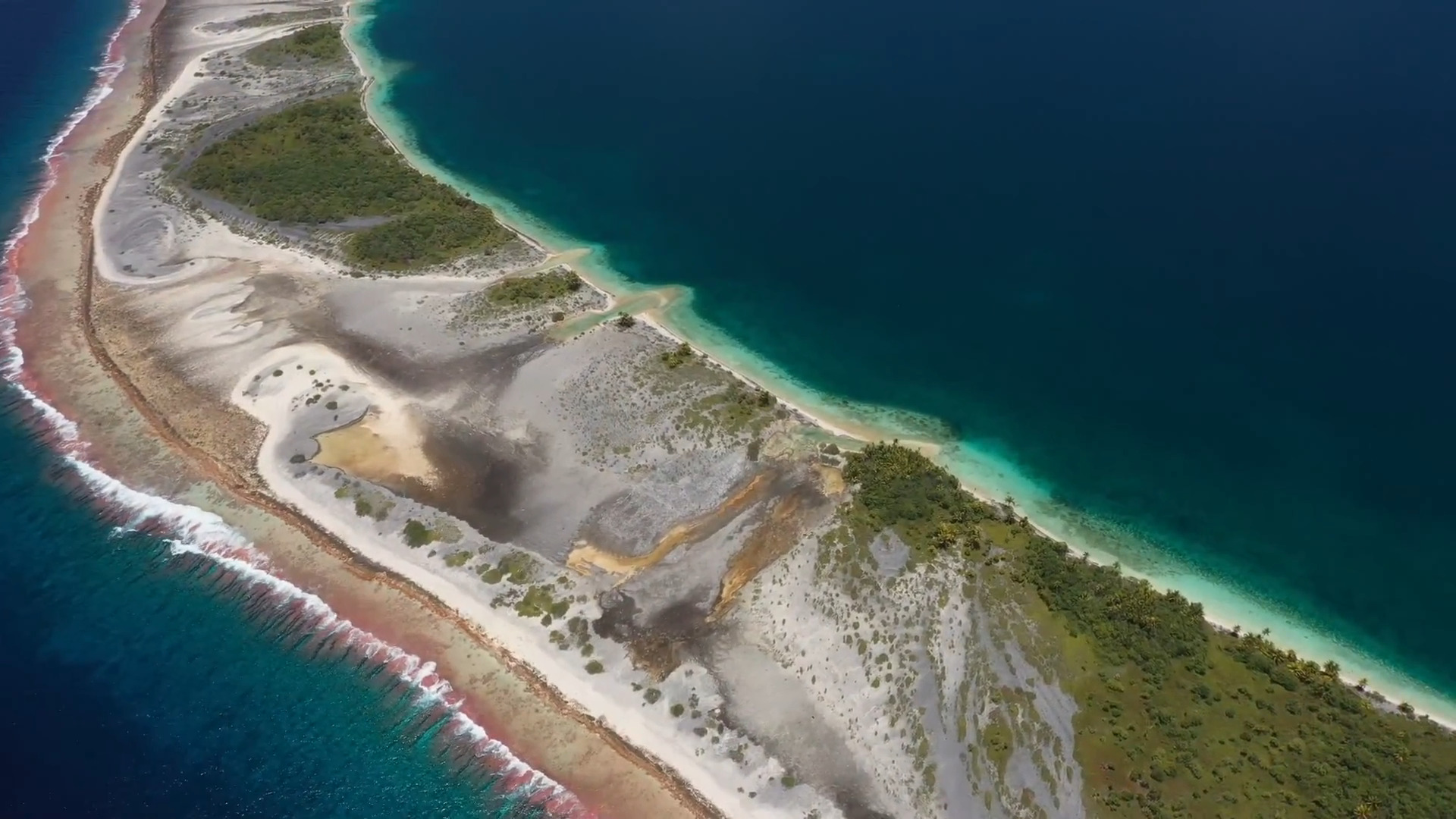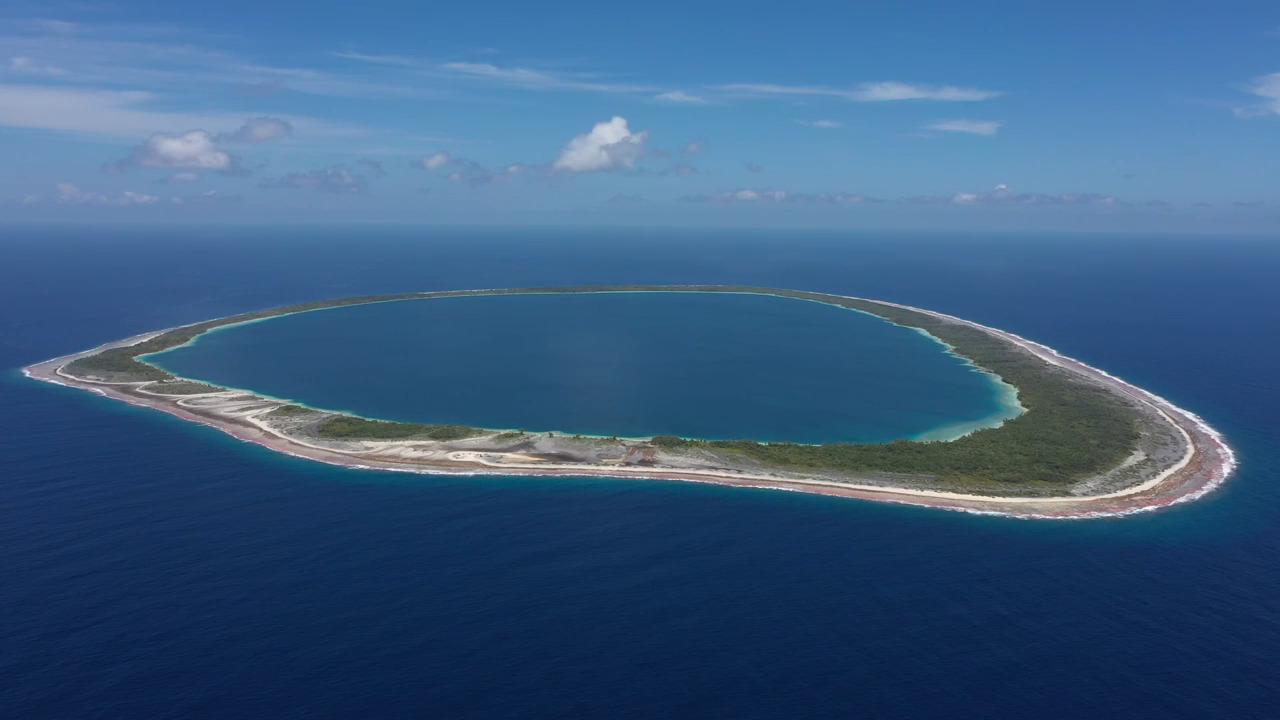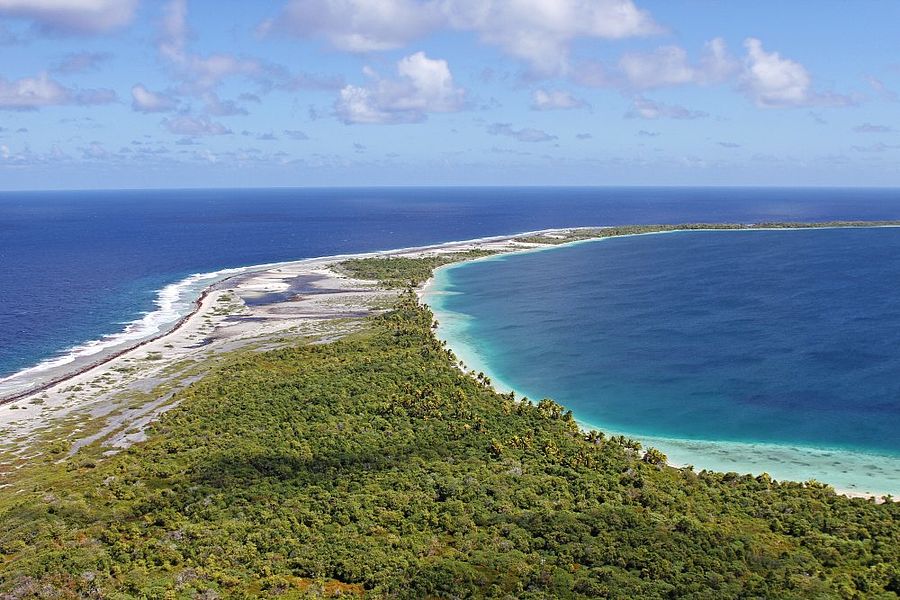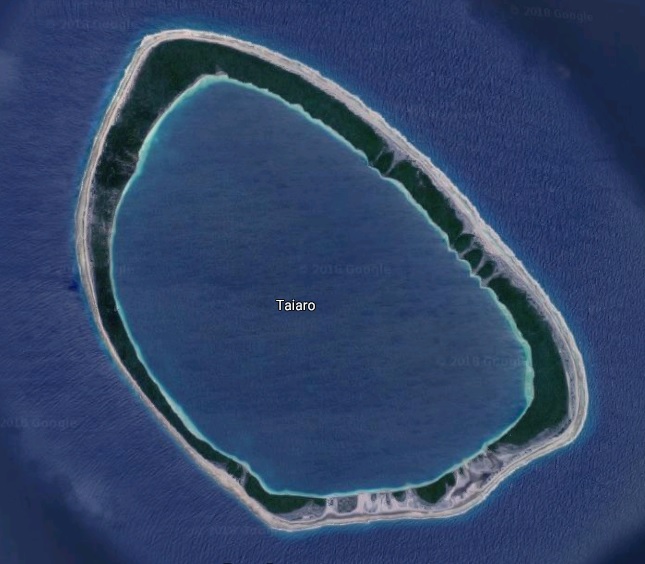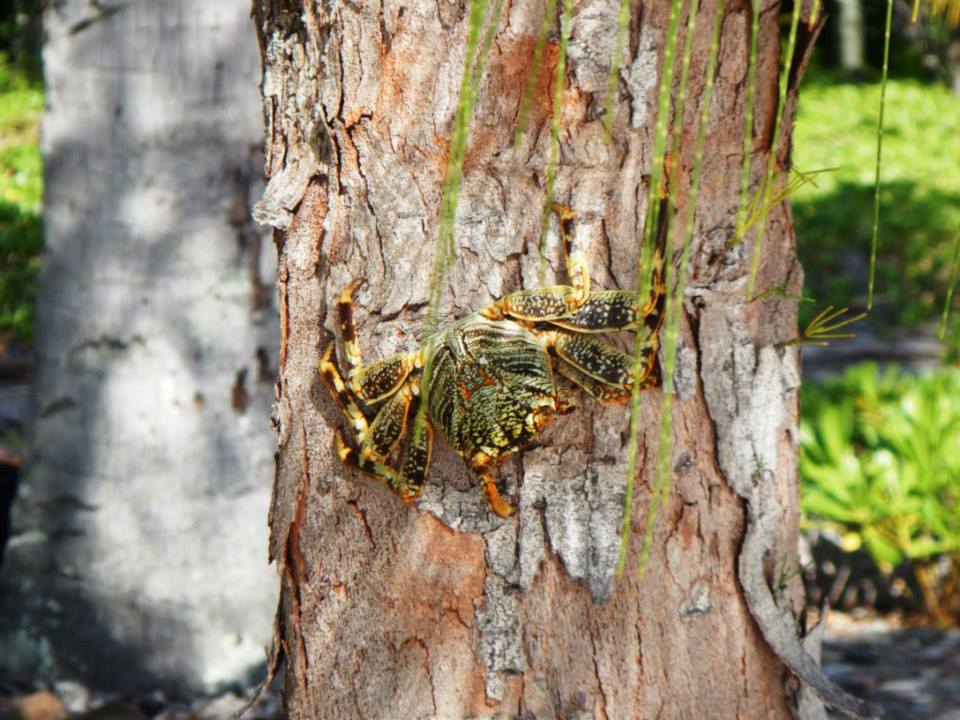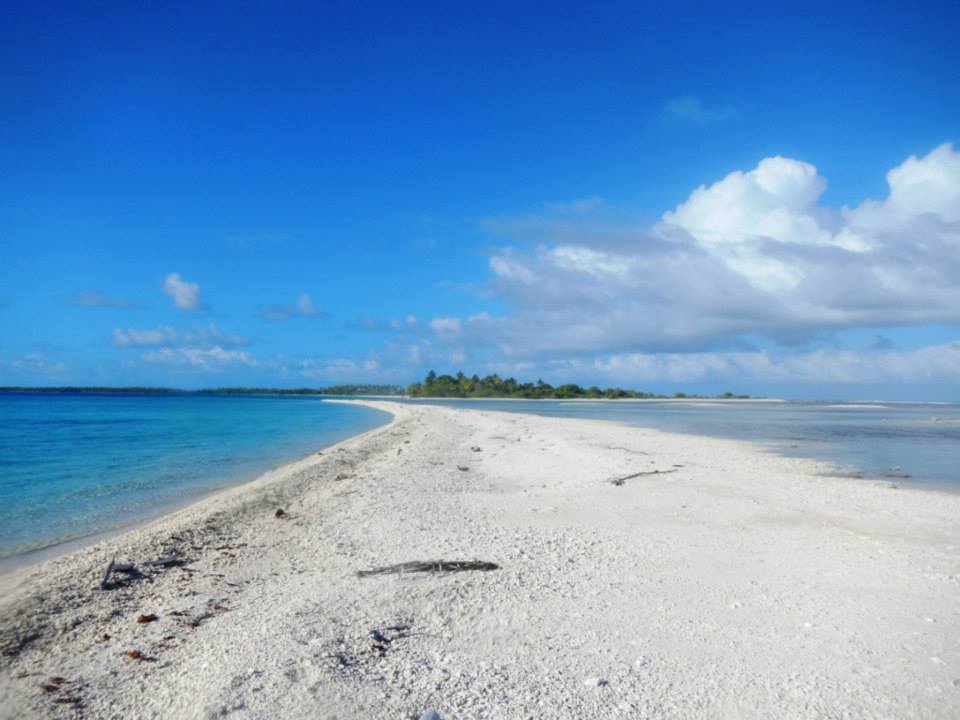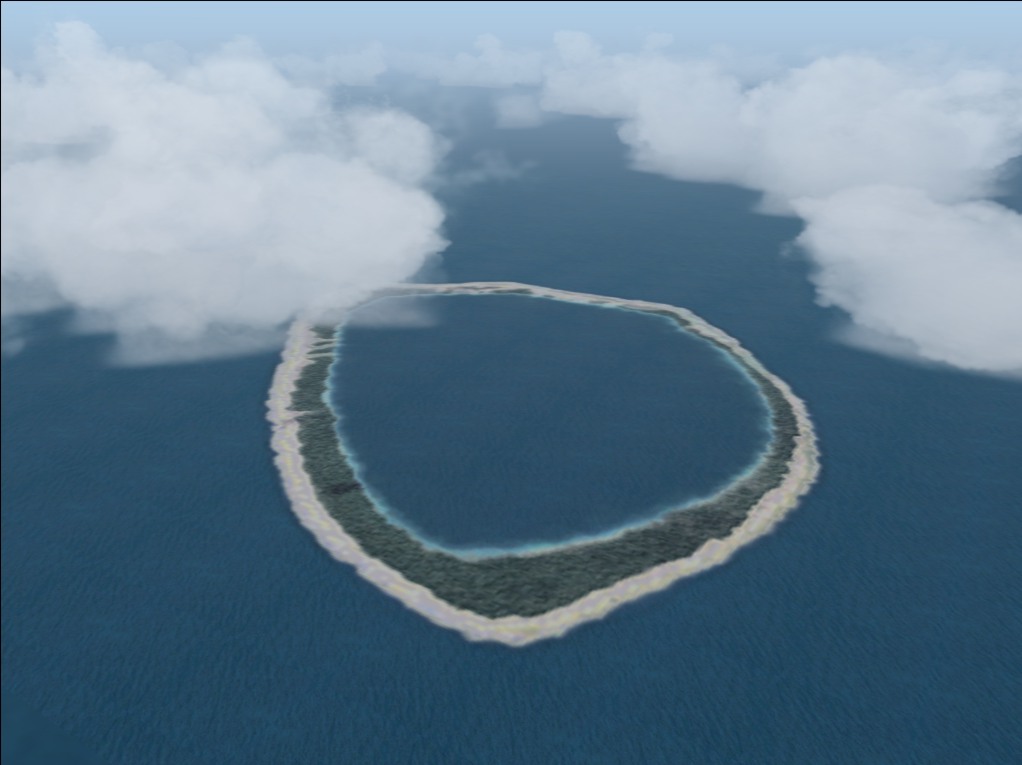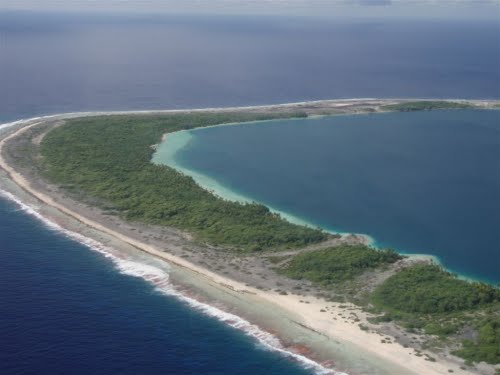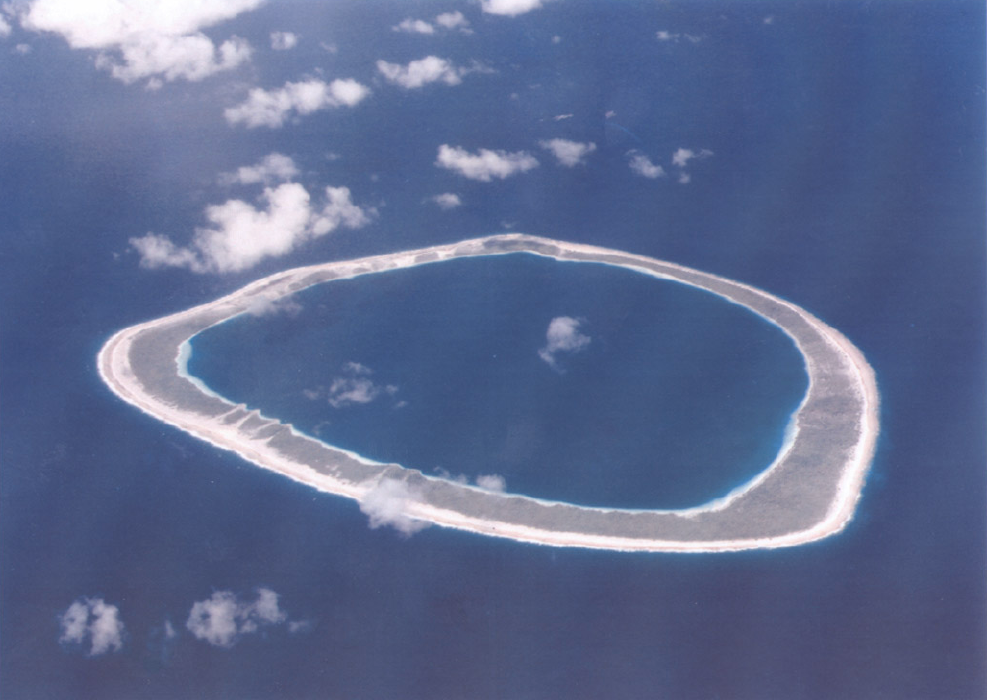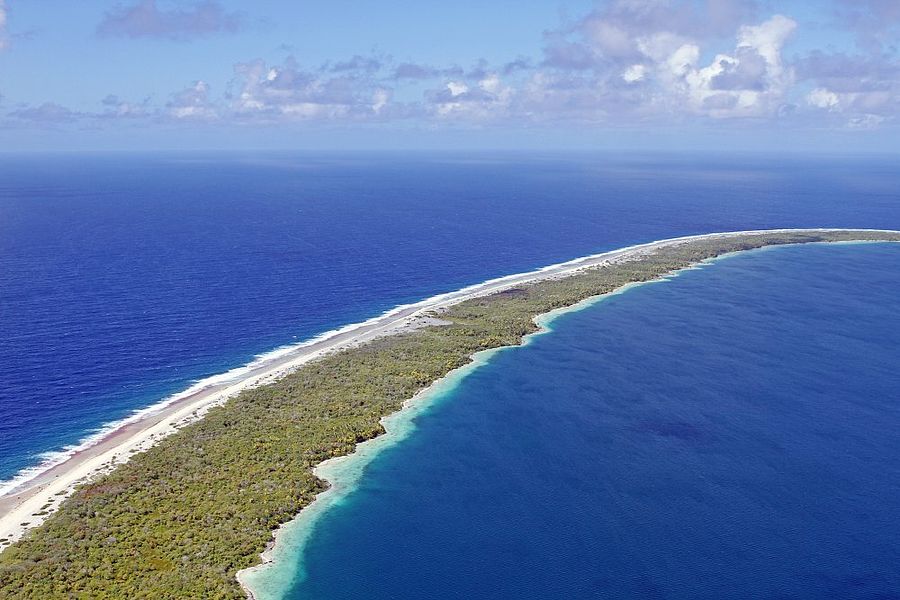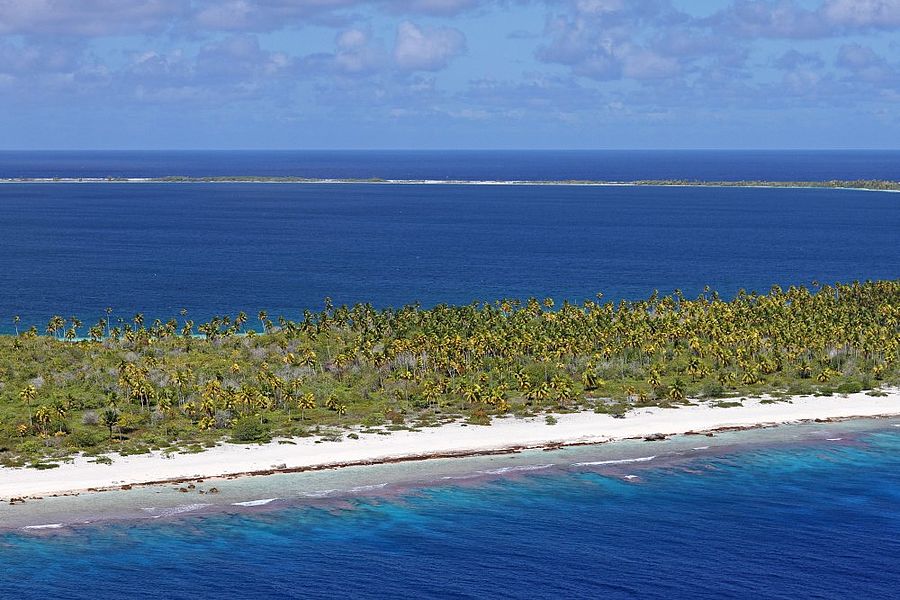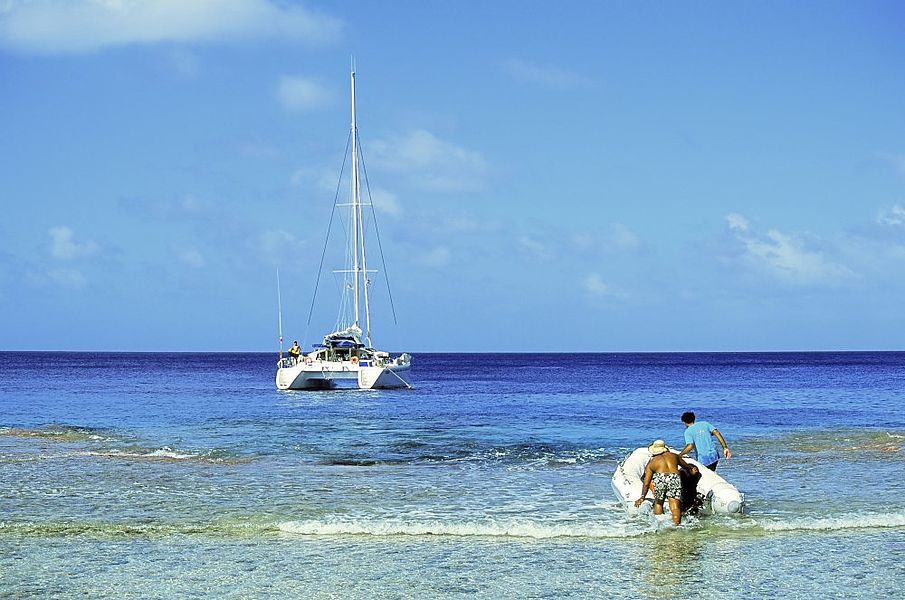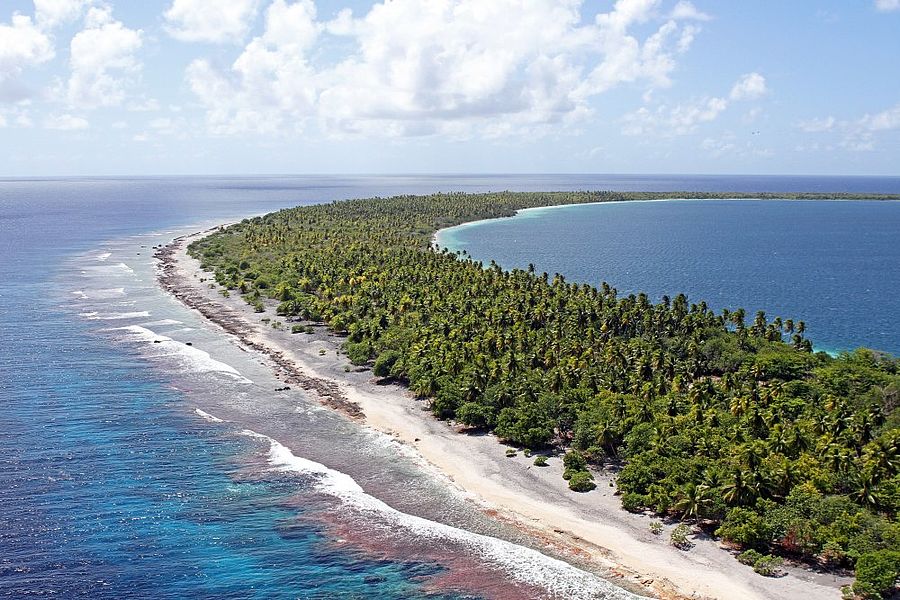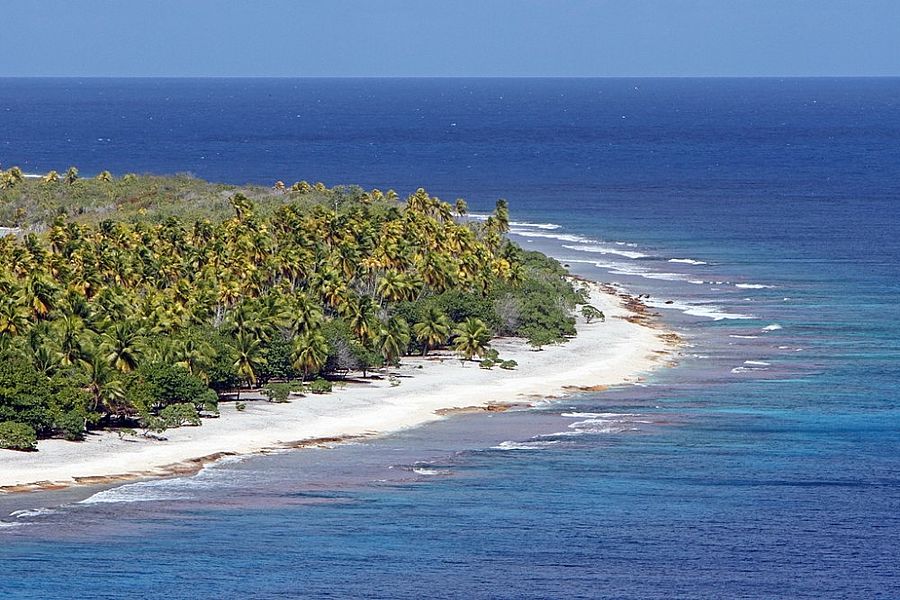
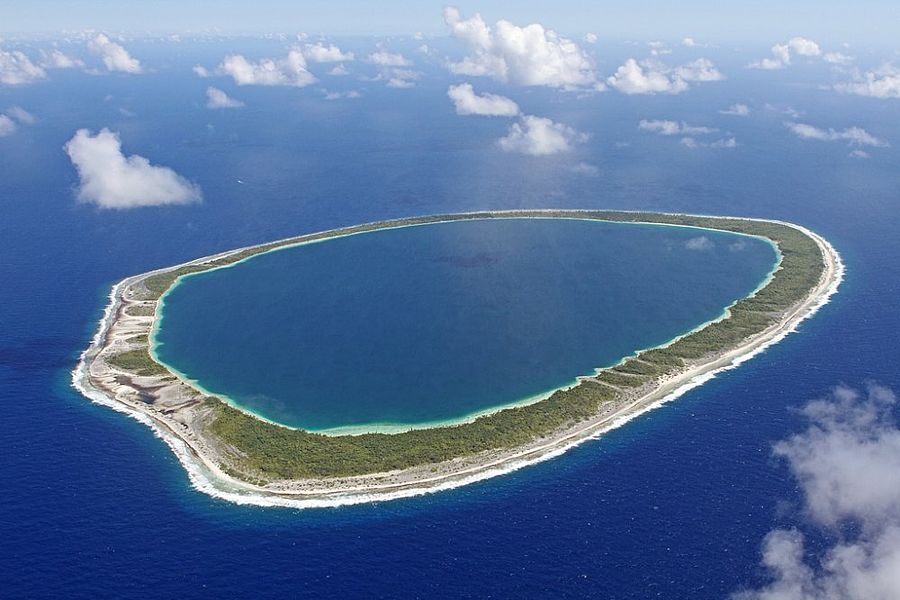
Taiaro Atoll is an atoll located 536 km northeast of Tahiti. Its area is 2965 acres (1200ha), length / width 5.7km by 3.6km. It is a closed atoll, which means that there is no flow of deep water from the ocean into the lagoon, so the lagoon is hypersaline. Taiaro is home to 23 different plant species, and coconut palms. Its hypersaline lagoon is home to 23 species of mollusks and 125 species of various fish. It has good coral beaches, and dense vegetation.
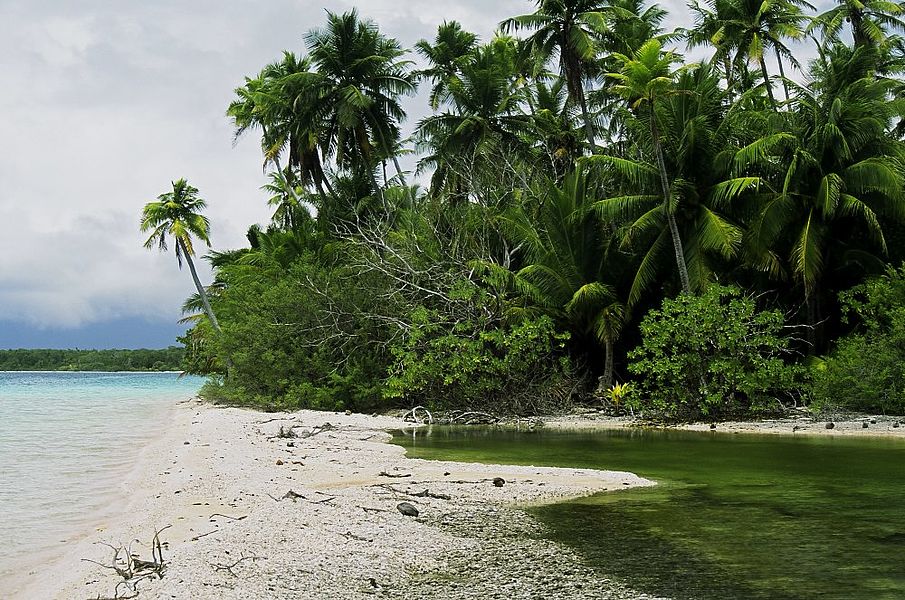
The uninhabited Taiaro is privately owned, and was declared as a nature reserve in 1972. The atoll was officially declared a UNESCO biosphere reserve in 1977. It was on sale until recently, and was set on sale for years before. Previous scientific expeditions and research on Taiaro atoll occurred in 1972, 1994, and 2006. And as more information gathered over years, these expeditions identified 125 species of fish living in its closed lagoon.
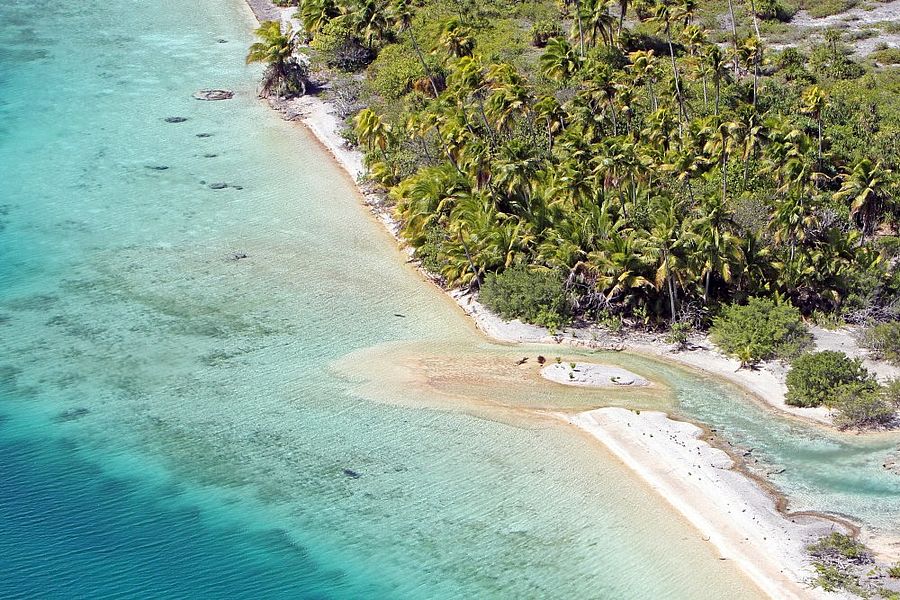
It was the first atoll ecosystem within the global network of UNESCO’s Man and Biosphere (MAB) Program. Because Taiaro has closed lagoon, it got specific features and importance, thanks to its biological and geological characteristics. Taiaro is part of Tuamotu Biosphere Reserve, created in 2006 that encompasses seven atolls. More about this can be found here https://www.enezgreen.com/en/tuamotu-biosphere-reserve/
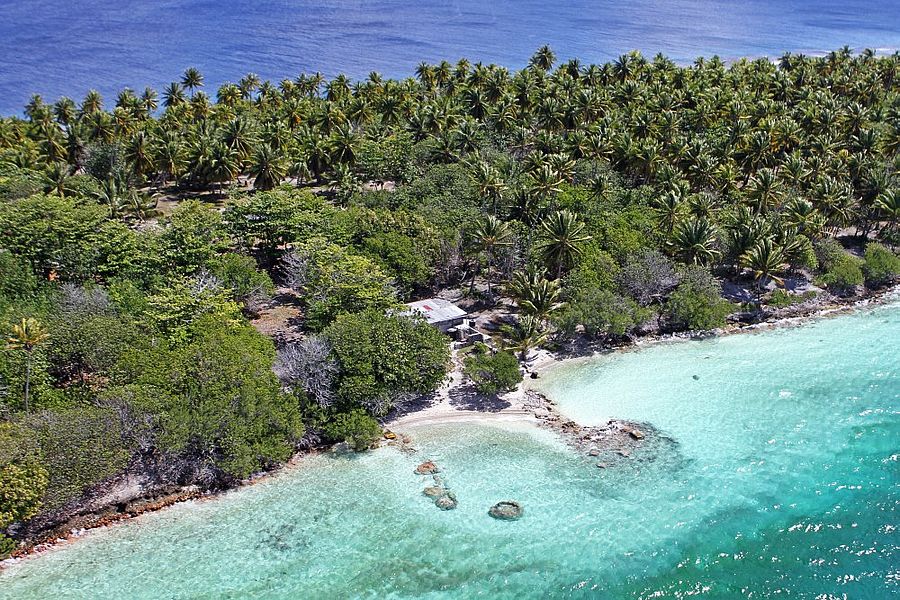
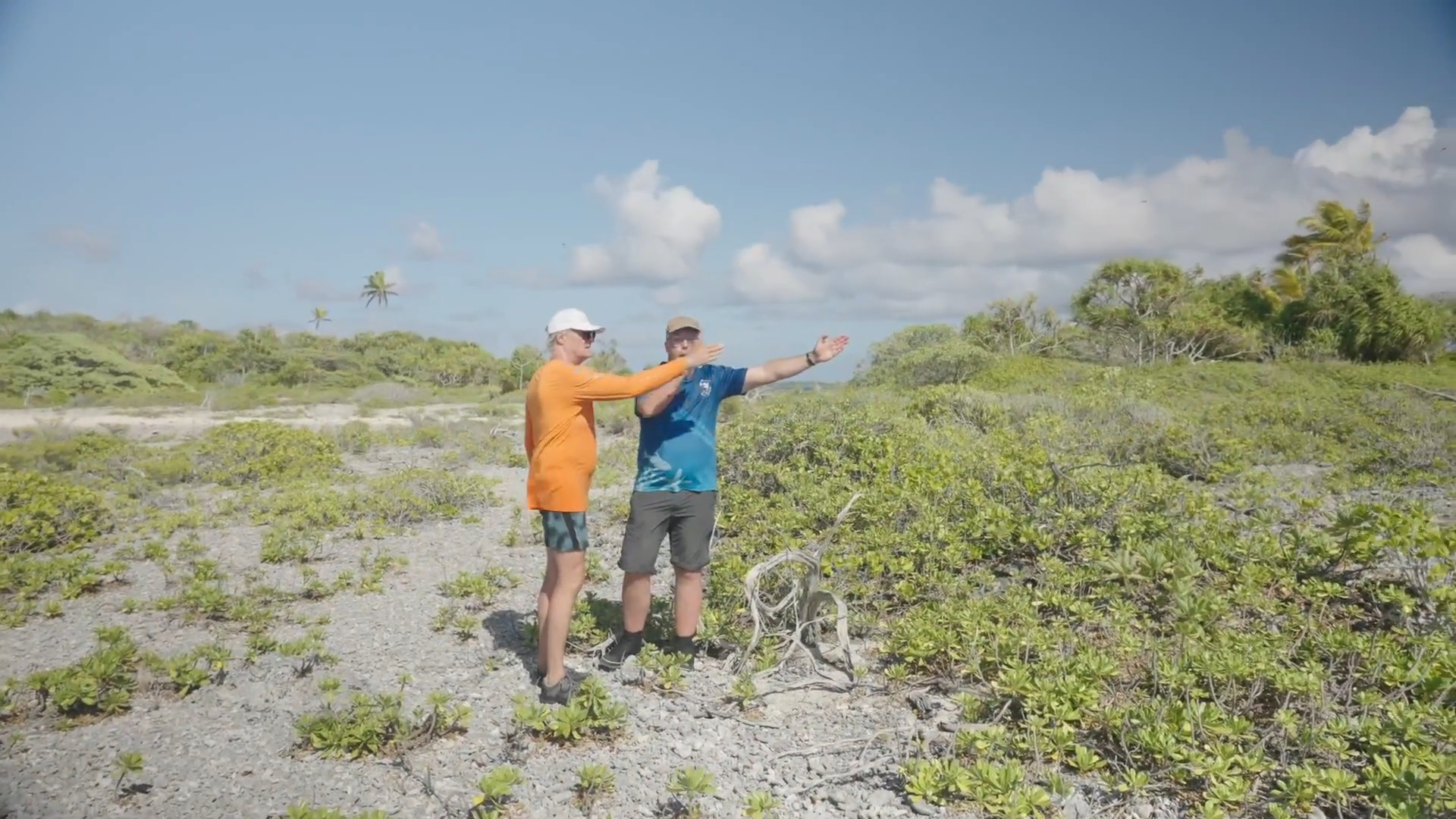
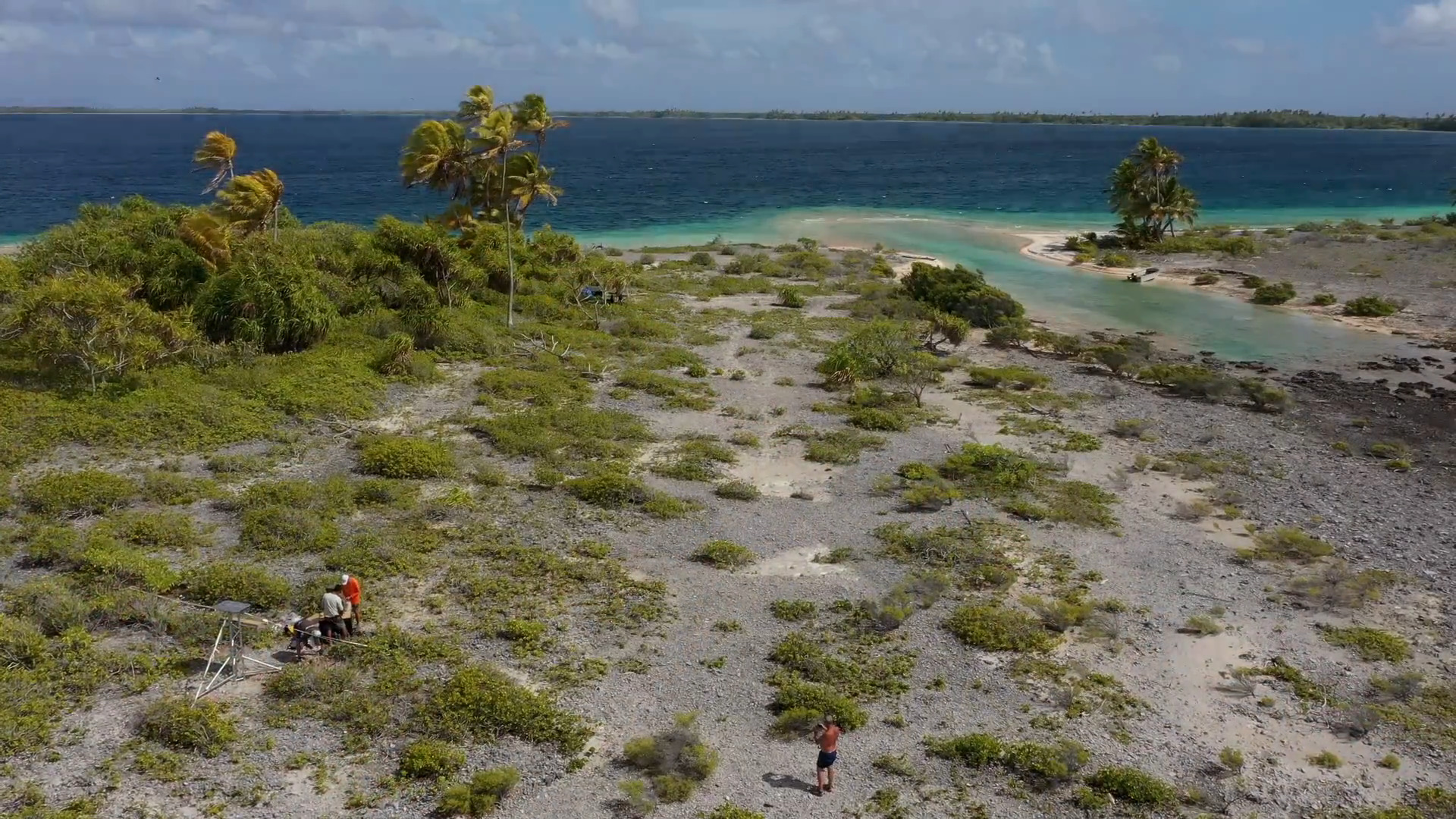
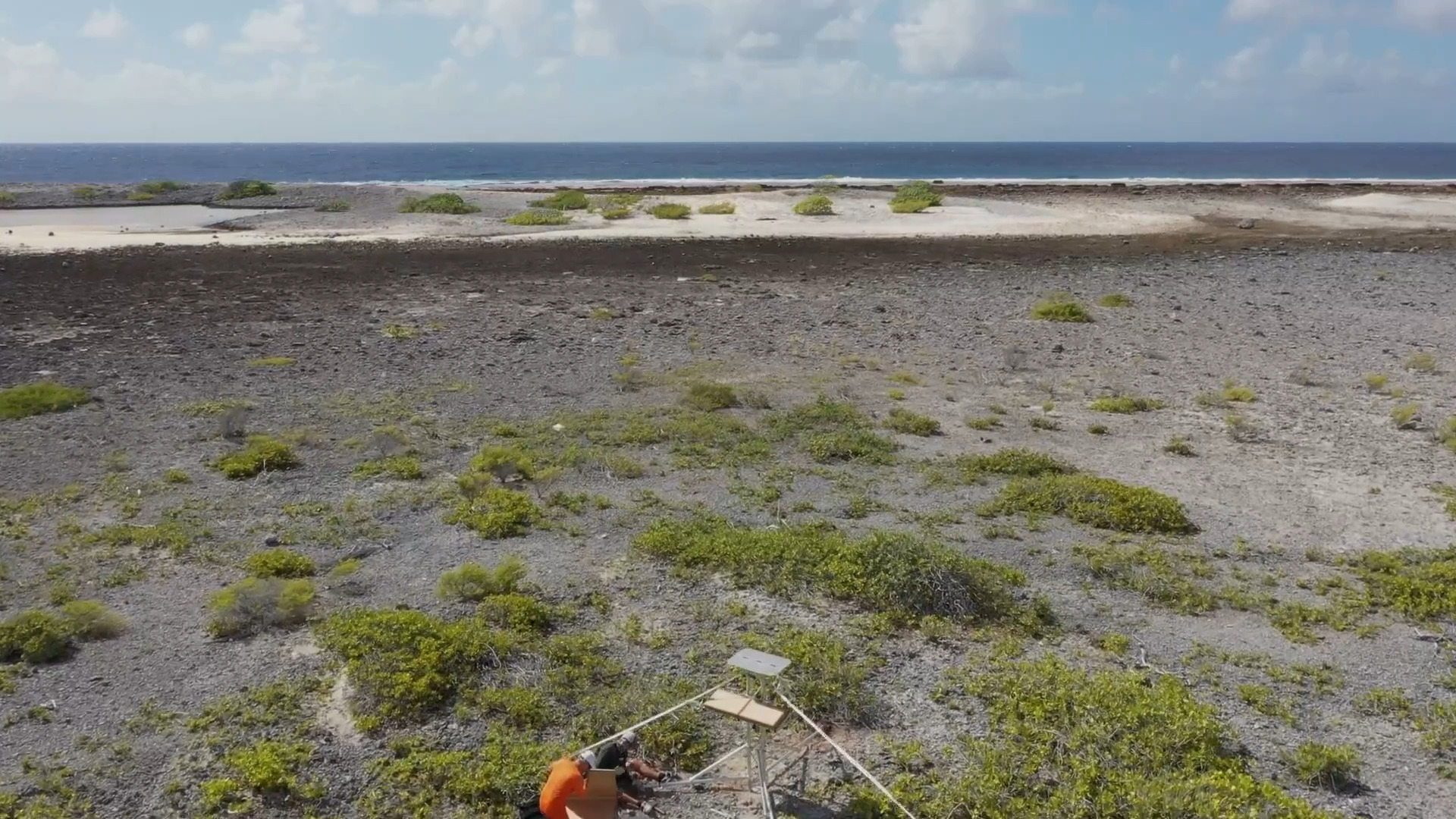
In 2022, a team of scientists led by the Okinawa Institute of Science and Technology went to Taiaro on scientific research to investigate this specific atoll. They noticed that the interior lagoon is warmer and saltier than the surrounding ocean. Their research was not that easy as they had to setup lab and system there. They had more questions than answers at beginning.

But this finding brought up more questions than answers: Do the fish live out their entire lifecycle within the lagoon or are they carried in on exceptionally high waves? Are they genetically distinct from their oceanic cousins? And how have they adapted to the warmer and saltier conditions?
The article about this research and report is here https://www.oist.jp/news-center/news/2023/3/10/tiny-atoll-pacific-ocean-offers-glimpse-warmer-world
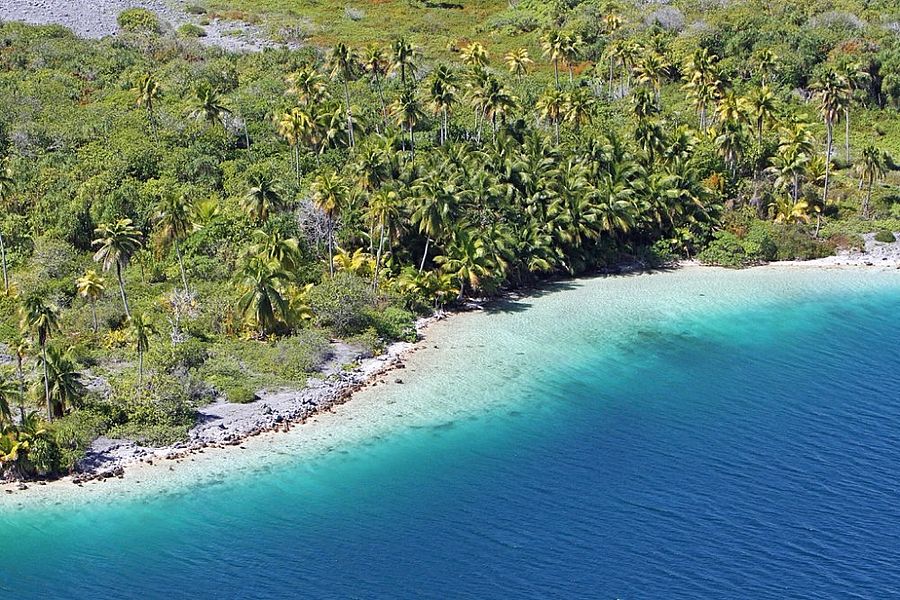
HERE IS THEIR BRIEF VIDEO OF RESEARCH
HERE IS TAIARO ATOLL GALLERY